Stop Healing, Start Integrating
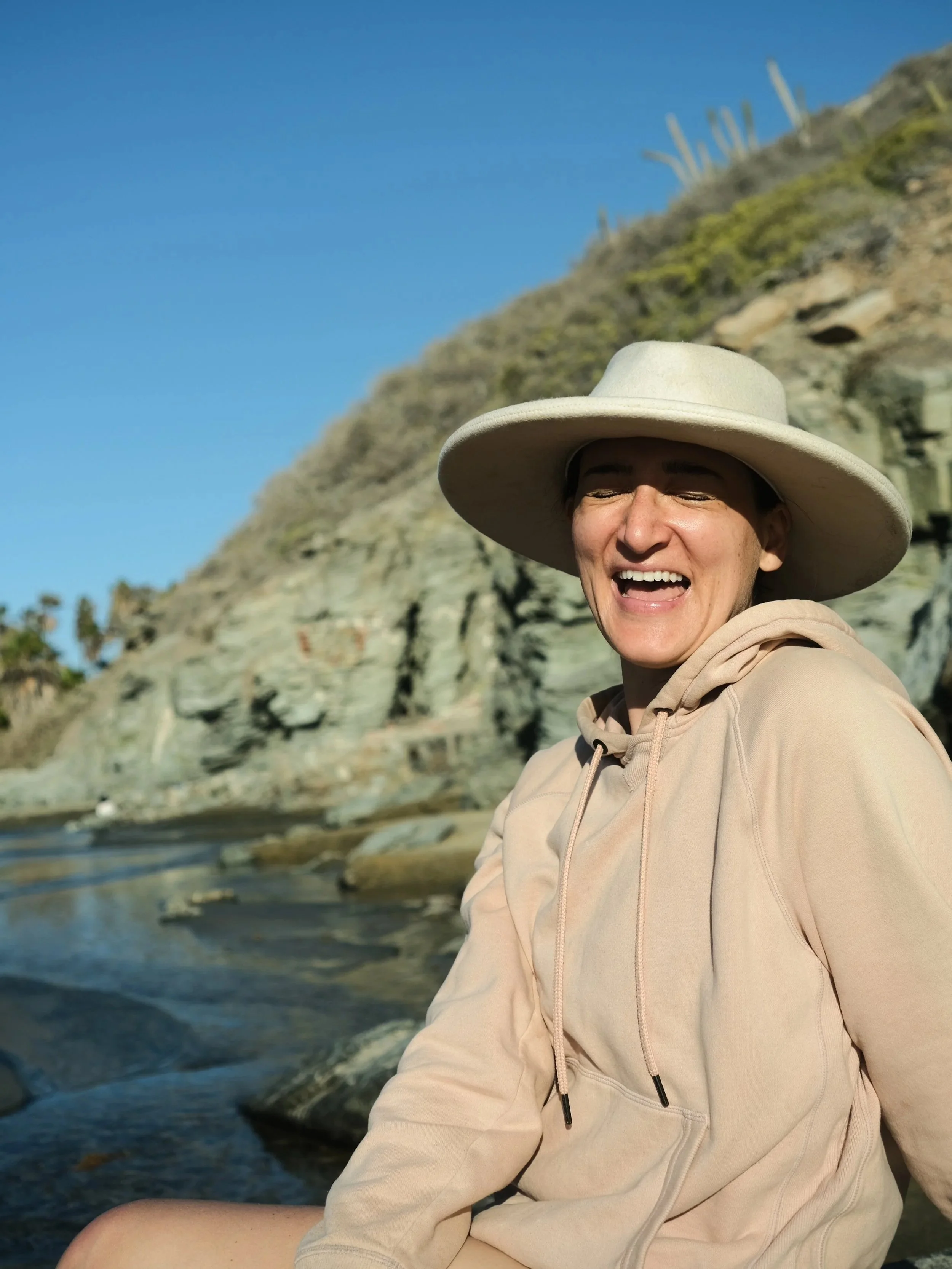
What if the way you’re approaching your healing journey is actually the thing keeping you stuck? Here’s the orientation shift that changes everything — and what psychedelic integration really means.
What if your healing work is keeping you stuck?
That question stopped me cold when it first surfaced in my awareness. I’d been in some version of a healing journey for years. Therapy. Ayahuasca, about 30 ceremonies. Then Iboga, twice. 5-MEO-DMT. The practices, the integration work, the retreats. I was doing the thing. And yet something wasn’t moving in the way I expected it to.
What I eventually discovered — and what took me years to fully understand — wasn’t a new technique or a missing tool. It was an orientation. A way I was relating to myself that, despite all the work I was doing, was quietly keeping me in place. The inner orientation of healing.
This is the episode that started it all. Episode 128 of Modern Psychedelics — what I’ve come to think of as a bit of a capstone in how I understand this work. Today I’m breaking it down in writing, because this shift deserves space to land.
What is the difference between healing and integration?
I want to be clear from the start: I’m not interested in semantics here. Healing and integration are words, and words can mean different things to different people. What I’m interested in is the energy, the consciousness, the inner orientation that tends to come along with each.
A healing orientation is built on a core belief — often unconscious — that I am broken and need to be fixed.
Integration, on the other hand, is rooted in the belief that I am already whole. So how do I become more me?
That’s the whole thing, right there. But let me break down what it actually means in practice.
WORKING WITH IBOGA
This medicine will show you your wholeness. Are you ready to meet it?
Iboga operates differently than any other plant medicine — and the orientation you bring into ceremony shapes everything. My Doing the Work with Iboga program is the first of its kind: a comprehensive, personalized prep and integration program for those working with this medicine for psycho-spiritual purposes.
Self-acceptance: the foundation of wholeness
There’s a reason this is so hard. For most of us, the belief that we are broken isn’t sitting on the surface waiting to be noticed. It lives underneath — quietly filtering every experience, every relationship, every ceremony. It can survive years of healing work because the work itself, when approached from a healing orientation, actually reinforces it: I’m still here doing this, therefore I must still be broken.
The antidote isn’t positive affirmation. It’s radical self-acceptance.
Self-acceptance is the foundation of wholeness. Not because it’s a nice idea, but because if you cannot accept yourself as you are — right now, with everything you carry — you cannot see yourself as whole. And if you cannot see yourself as whole, the integration orientation has nowhere to land.
Self-acceptance is a practice, not a destination. It begins with noticing: where am I telling myself I’m wrong? Where am I deciding I’m not enough, not ready, not deserving? Those are the exact coordinates of your integration work.
Not to fix them. To meet them. To be with them until they naturally evolve — not because you’ve released them, but because you’ve stopped making yourself wrong for having them.
You might be wondering…
Is “stop healing” advice to quit doing inner work?
Not at all. The invitation here isn’t to stop showing up for yourself — it’s to change why you’re showing up. Inner work done from an integration orientation is still inner work. The difference is the belief underneath it: are you working from “I am broken and need to be fixed,” or from “I am already whole and I want to become more fully myself”? Same practices, fundamentally different relationship to yourself.
Can I be in both orientations at the same time?
Absolutely. This isn’t a binary switch you flip once. Most people move back and forth, and the healing orientation can resurface even after genuine integration — especially in difficult seasons or after challenging sessions. The goal isn’t to arrive at integration permanently. It’s to notice, with increasing speed, when you’ve slipped back into the healing loop, and to know how to orient back to wholeness.
What if I genuinely am in a lot of pain right now?
The integration orientation isn’t about bypassing or minimizing pain. It’s about meeting pain from a different place. When your ground belief is “I am whole,” pain doesn’t threaten your worth — it becomes something to be with, understood, and evolve within. The distinction matters: sitting with your pain vs. trying to eliminate your pain are very different experiences. Integration doesn’t promise less pain. It changes your relationship to it.
How does psychedelic work fit into an integration orientation?
Beautifully, when the orientation is right. Psychedelic experiences — especially with medicines like Iboga, ayahuasca, or 5-MEO-DMT — often reveal wholeness directly. The medicine can show you yourself as complete, as loved, as already enough. But if you arrive in ceremony from a healing orientation, you may not be able to receive what’s being shown. You’ll experience the revelation and then return to seeking. That’s why the inner orientation work matters so much before and after ceremony.
What is the “healing identity” and how do I know if I have one?
The healing identity is when your sense of who you are becomes organized around being a person who is healing. Your story is your wounds. Your progress is measured by how much you’ve released. Your victimhood is your comfort. Your community is other people in healing. It can be deeply meaningful, and it can also become a kind of holding pattern, where the identity itself prevents the completion of the process.
Signs: you feel unsettled when things are going well; you find yourself always returning to the same themes no matter how much work you do; the idea of “being healed” feels like losing yourself.
How is this different from toxic positivity or spiritual bypassing?
Toxic positivity says “just think good thoughts and everything is fine.” Spiritual bypassing uses spiritual practices to avoid genuine emotional work. The integration orientation is neither. It doesn’t say your wounds don’t matter or your pain isn’t real. It says your wounds don’t define your worth — and that real integration means being with all of it, shadows and all, from a ground of self-acceptance rather than shame. It’s actually more demanding than the healing identity, not less.
Work With Lana
Ready to make the shift from healing to integrating?
If something in this post landed for you — if you recognize the healing loop, the healing identity, the exhaustion of grasping for wholeness you already have — I’d love to walk through this with you. Here’s how we can work together:
6-Month 1:1 Psychedelically-Informed Life Coaching
A deep, transformative container for those on the medicine path who are ready to stop fixing and start living.
We use a research-validated map of consciousness rooted in neuroscience, psychotherapy, and NLP.
$3,000 or $500/month.
Apply here.
Doing the Work with Iboga
Comprehensive, personalized prep and integration support for working with Iboga for psycho-spiritual purposes.
The first program of its kind featuting 1:1 sessions + self guided course.
$1,500 base.
Learn more.

Lana Pribic
Lana is a certified Core Energy Coach, host of the Modern Psychedelics podcast, and someone who has been doing medicine work for over five years — including two journeys with Iboga. She works 1:1 with people who are serious about using psychedelic experiences as a catalyst for real, lasting change.